Poison Ivy Removal in Bel Air, MD
Poison ivy removal services focus on safely and effectively eliminating this invasive plant from residential properties. These services typically cover projects such as clearing overgrown areas, trimming back shrubs and trees where poison ivy has taken hold, and removing dense patches from yards, gardens, or wooded spaces. Property owners often seek this service to reduce the risk of skin irritation and allergic reactions for themselves, children, and pets, as well as to restore the aesthetic appeal and safety of outdoor areas.
Before requesting poison ivy removal, property owners should understand the extent of the growth and the location of the plants to be removed. It is helpful to identify whether the poison ivy is growing in accessible areas or in hard-to-reach spots, such as on steep slopes or within dense underbrush. Clarifying whether removal includes root eradication or just surface cutting can ensure the project meets expectations. Additionally, understanding any necessary post-removal cleanup or disposal procedures can contribute to a smooth and efficient process.
Many property owners in Bel Air, MD look into Poison Ivy Removal for repairs, replacements, upgrades, and appearance-related improvements.
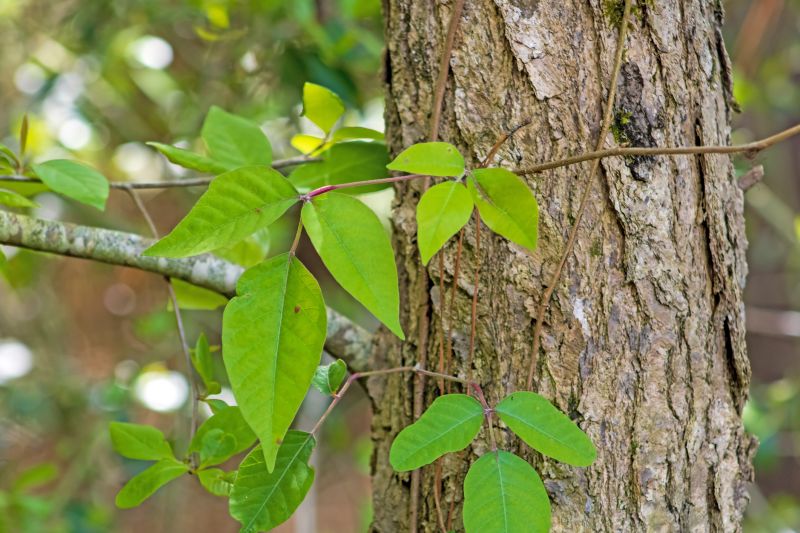
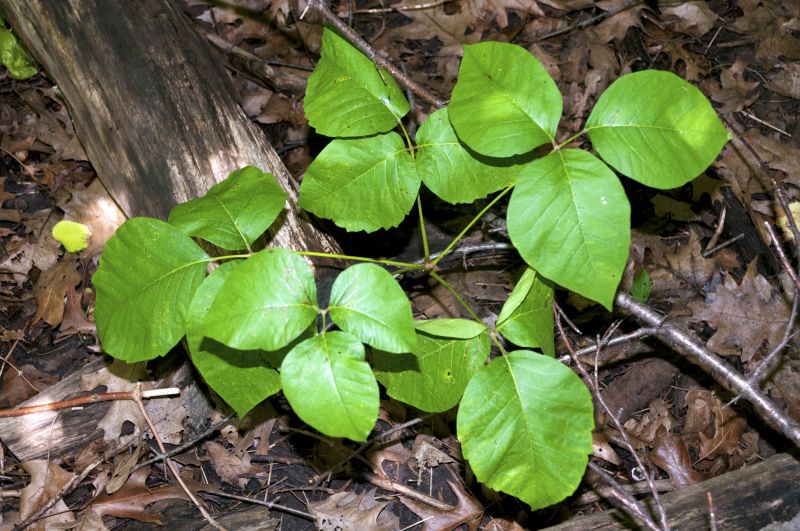
Poison Ivy Identification
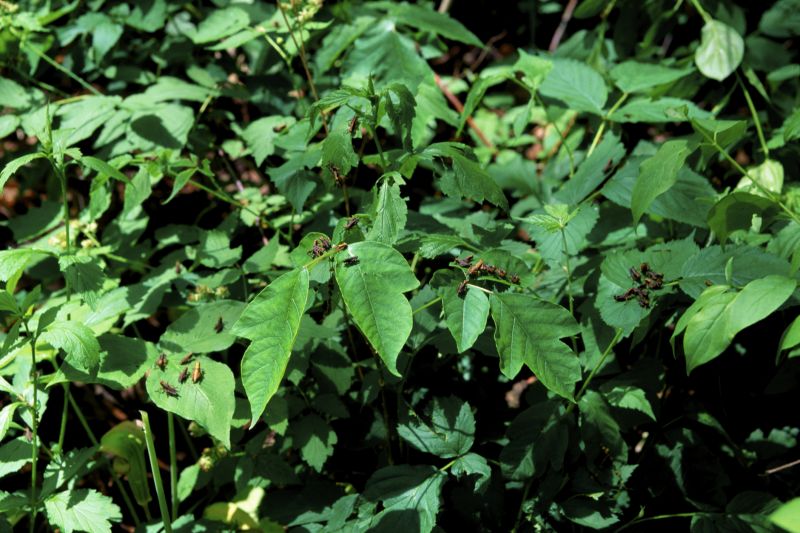
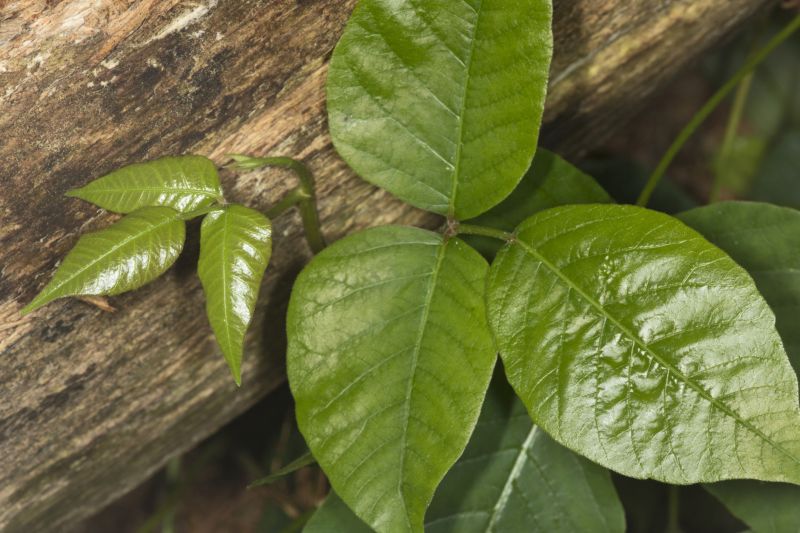
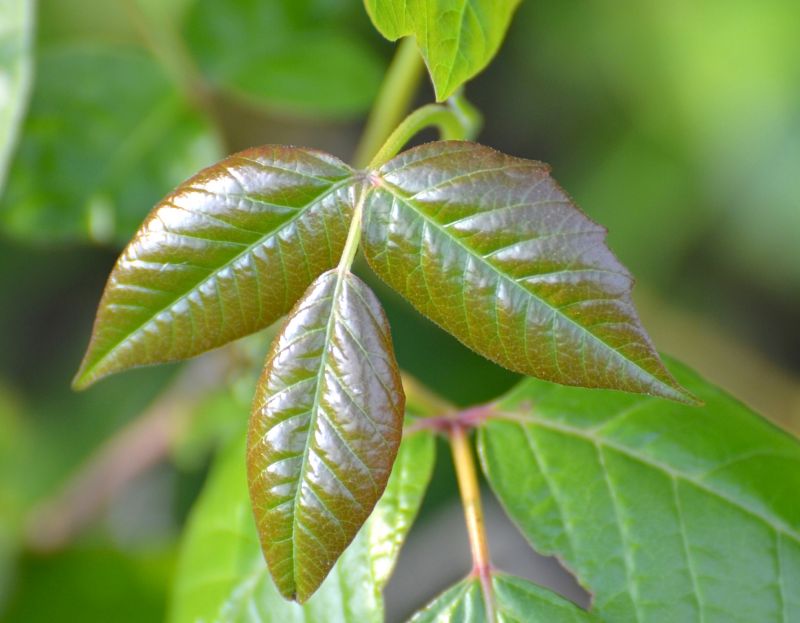
Recognizing poison ivy helps prevent skin irritation and further spread on your property.
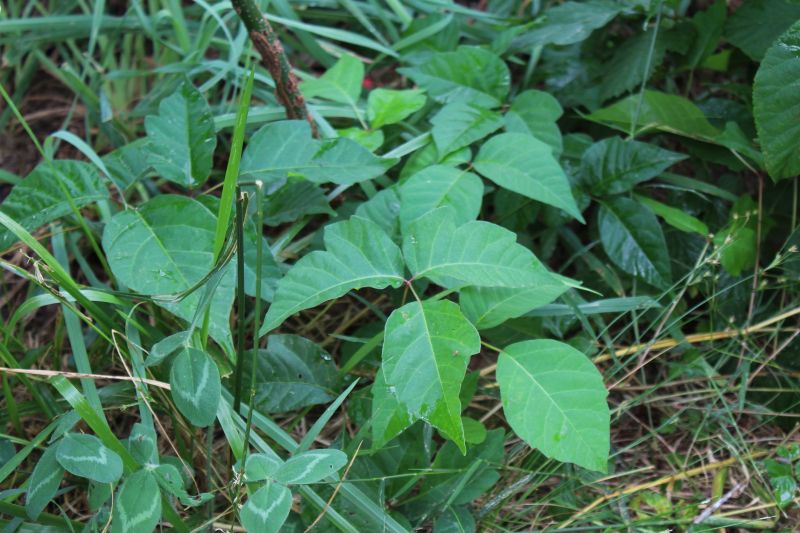
Removal Techniques
Effective removal methods ensure the plant is safely eliminated from yards and landscapes.
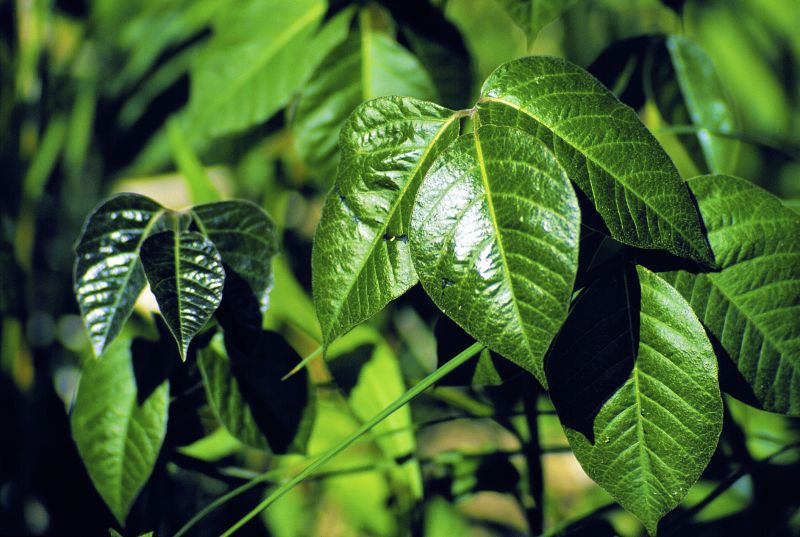
Property Safety
Removing poison ivy reduces health risks and maintains a safe environment around homes and gardens in bel air, md.
Poison Ivy Removal in Bel Air, MD
Poison ivy removal services focus on safely and effectively eliminating this invasive plant from residential properties. These services typically cover projects such as clearing overgrown areas, trimming back shrubs and trees where poison ivy has taken hold, and removing dense patches from yards, gardens, or wooded spaces. Property owners often seek this service to reduce the risk of skin irritation and allergic reactions for themselves, children, and pets, as well as to restore the aesthetic appeal and safety of outdoor areas.
Before requesting poison ivy removal, property owners should understand the extent of the growth and the location of the plants to be removed. It is helpful to identify whether the poison ivy is growing in accessible areas or in hard-to-reach spots, such as on steep slopes or within dense underbrush. Clarifying whether removal includes root eradication or just surface cutting can ensure the project meets expectations. Additionally, understanding any necessary post-removal cleanup or disposal procedures can contribute to a smooth and efficient process.
Many property owners in Bel Air, MD look into Poison Ivy Removal for repairs, replacements, upgrades, and appearance-related improvements.
Common Poison Ivy Removal Jobs
Poison Ivy Removal - Safely eliminates invasive plants from residential landscapes.
Yard Clearing - Removes poison ivy from lawns, gardens, and outdoor spaces.
Vegetation Management - Controls and reduces poison ivy growth on property boundaries.
Brush Clearing - Clears overgrown areas affected by poison ivy to improve safety.
Property Maintenance - Keeps outdoor spaces free of poison ivy and similar hazards.
Landscaping Cleanup - Restores aesthetic appeal after poison ivy removal efforts.
Poison Ivy Removal Questions
What is poison ivy removal? Poison ivy removal involves safely eliminating the plant to prevent skin irritation and protect outdoor spaces.
When should poison ivy be removed? Removal is recommended when poison ivy is identified in high-traffic areas or near children and pets.
How is poison ivy removed? The process typically includes carefully cutting and removing the plants, with options for herbicide treatment if appropriate.
Why hire a professional for poison ivy removal? Professionals ensure safe and effective removal, reducing the risk of skin contact and plant regrowth.
Request Poison Ivy Removal in Bel Air, MD
Use the quote form on this page to share the basics of your project and request more information for the type of work you need.